Donor Fatigue – What Is It and How Do We Prevent It?

KeyBank Institutional Advisors collaboratively engages stakeholders to understand their organization’s strategic mission, values, and goals. Our advisors are professionals supported by subject matter experts across client disciplines/market segments. Combining our expertise with an understanding of the client, we recommend and implement customized, coordinated financial solutions.
When you think of donor fatigue, what comes to mind? The persistent ask for money? The overwhelming amount of emails from not only your organization but the others a donor may support? Understanding donor fatigue and learning how to prevent it will help ensure your organization effectively maintains relationships with donors and stakeholders.
Donor fatigue can be prevented, leading to long-term and consistent fundraising success and donor engagement. While it is often misunderstood as a donor no longer being interested in your organization, donor fatigue may actually be caused by excessive communication, insufficient stewardship, and a lack of meaningful follow‑through. When donors feel oversolicited and underappreciated, they tend to disengage quietly.
By identifying, preventing, and responding to donor fatigue, you can reframe the issue. Think of it not as a donor problem, but as a signal to your organization about the importance of stronger stewardship, clearer communication, and deeper alignment between fundraising goals and donor experience.
The ultimate goal is to reinforce donor trust, increase stakeholder retention, and build sustainable revenue resources through showing solid stewardship to your donor base and not consistently making urgent requests.
What is donor fatigue?
It does not mean donors care less about your mission, but they are noticing the following:
They only hear from your organization when seeking funding.
The overall thank-you feels transactional.
Their impact is implied but not demonstrated through your communications.
Your appeals, whether annual or program specific, feel repetitive or crisis driven.
Noticing when donors are slowly becoming quiet is your first clue. This can begin through skipping an appeal, donating smaller gifts than usual, or disengaging, and this happens long before your donors formally leave. What can you do? The prevention may be as simple as proactive stewardship, intentional planning, and internal discipline within your team.
The Solicitation Overload
An open and honest relationship with a donor will begin with prioritizing stewardship over solicitation. Donors want to know what you are doing with the funds they are providing your organization: what impact are their dollars making?
Solicitation best practices:
Provide thoughtful, non-ask outreach at least quarterly.
Consider how often you review your donor base and the total asks from your organization.
Think about removing major and mid-level donors from the generic appeals if possible.
Ensure appeals are non-duplicative.
Avoid crisis requests if possible. If you are consistently reaching out in crisis mode, a donor may question your ability to steward funds.
How Are You Showing Appreciation?
Obviously, a donor would like to know their gift has been received. How timely are you in providing acknowledgement? Is it sincere or generic? These are not optional but critical questions, especially to your larger stakeholders.
Consider the following tips to ensure effective expressions of gratitude:
Send acknowledgement within a few business days.
Craft messages that are personal and specific – hand-written notes for larger gifts are particularly effective.
Flag the gift in your system so donors are not solicited shortly after they give.
Involve board members and senior leadership. Hand-written thank you notes from a board member or senior leadership for gifts over a certain value make an impact.
Use language that feels genuine and not like a template.
The Follow Through
It is important to understand why donors support your organization. Overall, donors want to make a difference and be appreciated when they do. Impact reporting, which can be thoughtfully done through social media, emails, and your homepage, can give your donors an understanding of the effects of their contributions. Here are some examples of positive impact reporting:
Show clear, quantifiable outcomes of their financial support.
If a donor contributed a restricted gift, show how your organization is respecting that gift.
Remember you can show that the organization is having challenges; being transparent helps gain donor trust.
Keep in mind donor’s ultimate question: Did my gift make a difference?
Quality of Your Communication
The words you choose are just as important as how you use them. When creating communication for your donors and stakeholders, the following suggestions can lead to more effective messaging:
Have a distinct message that your donors will recognize.
Highlight people within the organization, along with the organization’s values and outcomes.
Avoid buzzwords and be truthful; never inflate impact.
Use soft tones and strive to sound genuine, not overly formal.
Relevance and Personalization
Messaging that is relevant and personalized will help reduce donor fatigue and build trust. You can accomplish this by segmenting your communications to various donor groups: new donors, annual givers, mid-level donors, major donors, and volunteers. The following strategies are useful when considering how to segment your messaging:
- Determine the donor’s focus, as well as their giving history and affiliation with your organization.
- Consider creating specialized and unique messaging for key donors.
- Reduce the amount of one-size-fits-all appeals.
- Provide the ability to opt out or opt in for various communication preferences (mail, email, phone).
The Non-Financial Ask
Part of your overall success is engaging with your donors in a way that does not always have a financial request. This is where you can build trust and reduce fatigue as an organization.
- Invite donors to connect without being asked to give. Have they had a site visit to your organization? What were you able to show that resonated?
- Create opportunities to listen to donors through phone calls, meetings, and surveys.
- Ask donors to learn about your organization by observing or engaging with mission work (volunteer opportunities). Donors may appreciate this hands-on experience.
- Host a donor appreciation event.
Early Warning Signs Through Data
To catch donor fatigue before it impacts your organization, you may want to consider monitoring the following:
- Have donor retention rates fallen in recent years?
- Have response rates and average gift sizes declined?
- Are any donors skipping appeals or declining engagement?
- Have there been any other behavior changes among consistent donors?
Your organization can use these questions to gain early warning signs of donor fatigue, so you can take the appropriate steps to maintain positive engagement with your donors and stakeholders.
Summary
Preventing donor fatigue requires commitment across all parts of the organization, from board members to executive leadership and staff. Consider ensuring that all parts of the organization understand donor fatigue and their role in preventing it. Resist the urge to send an anxiety-driven appeal to meet a short-term need, but instead be thoughtful around balancing short‑term revenue goals with long‑term donor loyalty.
Learn More
See how our insights and expertise can benefit your organization. Visit Institutional Advisors.
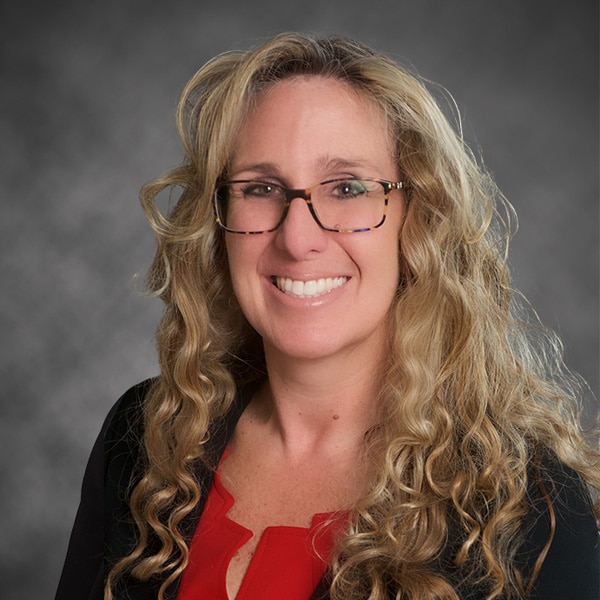
About Cynthia J. McDonald
Cindy serves as the National Director, Philanthropic Advice, where she is responsible for introducing a comprehensive suite of sophisticated planning solutions tailored for Nonprofit and Institutional clients. Her role encompasses developing and implementing growth strategies, providing strategic planning advice, conducting governance and policy reviews, offering thought leadership, and delivering education on a range of critical topics. These topics include planned giving, fund accounting, charitable trusts, donor-advised funds, and other services that support Nonprofits with a particular focus on endowments, foundations, and pooled special needs trusts.
Understanding the importance of supporting clients in the impactful work they do, Cindy obtained her Chartered Special Needs Consultant (ChSNC®) designation. This designation enables her to assist people with special needs through planning ideas. She has gained in-depth knowledge of the best strategies and a dynamic understanding of areas such as disability regulations, special needs trusts, the ABLE Act, government benefits, Medicaid complexities, special education, estate and retirement planning, and tax implications.