Integrating Philanthropic Capital Into Nonprofit Investment Strategy

KeyBank Institutional Advisors collaboratively engages stakeholders to understand their organization’s strategic mission, values, and goals. Our advisors are professionals supported by subject matter experts across client disciplines/market segments. Combining our expertise with an understanding of the client, we recommend and implement customized, coordinated financial solutions.
Nonprofit organizations operate within a fundamentally different financial framework than traditional investors. Their objective is not simply to maximize returns, but to ensure consistent and effective delivery of their mission. Therefore, capital must be managed with a broader purpose to support ongoing operations, preserve long-term financial health, and maintain the trust of stakeholders.
Philanthropic capital introduces both opportunity and complexity in achieving these goals. It is often variable in timing, diverse in structure, and shaped by donor intent. As a result, designing an investment program for a nonprofit requires a deliberate and integrated approach that aligns financial decision-making with the organization’s ability to deliver its mission through funding stability, organizational sustainability, and strong governance.
This alignment is strengthened when nonprofits manage philanthropic and financial capital as part of a unified strategy, informed by both philanthropic and investment expertise. The integration doesn’t just improve coordination; it structurally shapes and enhances the effectiveness of the investment strategy itself.
Understanding Philanthropic Capital
Philanthropic capital is not consistent across nonprofits. It includes unrestricted donations that provide financial flexibility, restricted funds tied to specific purposes, long-term endowments designed to exist in perpetuity, as well as board-designated funds to support operations. Each type of capital carries distinct expectations regarding liquidity, risk, and time horizon.
These characteristics directly influence how capital should be invested. Funds required to support near-term operations must be accessible and stable, while long-term capital must grow sufficiently to preserve purchasing power across generations. Treating these resources as interchangeable can introduce inefficiencies or risks that weaken the organization’s financial position.
Importantly, the structure of philanthropic capital is shaped by fundraising strategy and donor engagement. A philanthropic advisor plays a key role in influencing how capital enters the organization, while an investment advisor determines how it is deployed. When these functions operate in coordination, the organization can more intentionally shape both the composition of capital and the strategy used to invest it.
Mission Alignment Through Stability, Sustainability, and Governance
In the context of a nonprofit, mission alignment is best understood not as a function of what the portfolio holds, but how effectively the investment program enables the organization to fulfill its mission over time.
Integrated properly, these elements define mission alignment as an outcome of how well capital is sourced, structured, and invested to sustain the organization’s work.
Integrating Philanthropic and Financial Capital Into Investment Strategy
When philanthropic and investment perspectives are coordinated, investment strategy becomes more precise, efficient, and resilient.
First, asset allocation can be more accurately aligned when there is an understanding of capital flows. Understanding the predictability and structure of philanthropic inflows allows investment advisors to calibrate portfolio risk more effectively. For example, an organization with stable annual giving may be able to maintain a higher allocation to growth assets, as philanthropic inflows help buffer short-term volatility. Conversely, reliance on irregular or restricted donations may necessitate greater liquidity and a more conservative posture.
Second, proper coordination enables more effective capital segmentation. Philanthropic advisors help shape which funds are designated for current use versus long-term investment, while investment advisors align portfolios accordingly. This reduces inefficiencies such as holding excess liquidity in long-term pools or exposing operational funds to unnecessary market risk.
Third, it enhances return optimization within real constraints. Investment strategy is no longer built on assumptions, but on a clear understanding of spending needs, donor behavior, and liquidity requirements. This allows for a more appropriate use of illiquid or growth-oriented investments where suitable, without compromising operational stability.
Finally, integration improves strategic flexibility. By aligning fundraising and investment decisions, organizations can proactively adjust their capital structures. For example, they can prioritize endowment growth during periods of strong fundraising or shift toward more flexible capital when operational demands increase.
In each case, the result is an investment strategy that is more tightly aligned with the organization’s financial reality and mission needs.
Structuring the Portfolio to Support Mission Delivery
To achieve this alignment, the investment program should be structured around the functional roles of capital.
Operating reserves must remain highly liquid and stable to support immediate obligations. Intermediate capital supports program continuity and can accept moderate risk. Long-term capital underpins sustainability and can be invested for growth.
However, the effectiveness of this structure is significantly enhanced when nonprofit philanthropic strategy is aligned with it. Philanthropic advisors can support nonprofit development officers to guide donors toward funding vehicles that match these capital tiers, encouraging unrestricted giving to support operations or endowment gifts to strengthen long-term sustainability.
This coordination ensures that capital is not only invested appropriately but also received in a form that supports optimal investment outcomes.
The Role of a Spending Policy in Funding Stability
Spending policy serves as the bridge between investment performance and mission delivery. When integrated with philanthropic strategy, it becomes an even more powerful tool.
A well-designed spending policy, combined with consistent philanthropic inflows, can stabilize funding and reduce reliance on market returns alone. This allows the investment portfolio to maintain a longer-term orientation and reduces the need for defensive positioning.
In contrast, a disconnect between spending needs and philanthropic support can place undue pressure on the portfolio, limiting investment flexibility and potentially undermining long-term sustainability.
Integration ensures that spending, fundraising, and investment strategy are mutually reinforcing rather than competing forces.
Liquidity Management and Operational Resilience
Liquidity planning is strengthened when informed by both investment strategy and philanthropic insight. Investment advisors ensure sufficient liquid assets are maintained, while philanthropic advisors help create more predictable cash flow through structured giving programs.
This coordination reduces the likelihood of funding gaps and enhances the organization’s ability to sustain operations under varying conditions. It also allows portfolios to incorporate less liquid, higher-returning assets where appropriate, improving long-term outcomes without compromising resilience.
Risk as a Function of Mission Distraction
A fully integrated approach reframes risk management as the alignment of all capital sources with mission needs. Market risk, liquidity risk, and funding risk are interconnected and tend to show up at the same time.
Bringing together philanthropic and investment perspectives helps organizations see these connections more clearly so they can better anticipate and mitigate these risks. Risk isn’t just volatility of investment returns; it is the risk of having to cut or disrupt mission spending.
Aligning investments and philanthropic capital helps organizations diversify beyond asset classes to include funding sources and capital structures, to strengthen overall resilience, and to deliver on their mission over time.
Governance as the Integrating Force
Governance ultimately determines whether this integrated approach can be successfully implemented. Boards and investment committees must ensure that philanthropic and investment strategies are not managed in isolation.
Engaging both a philanthropic advisor and an investment advisor creates a more comprehensive governance framework. Each brings distinct expertise, but their collaboration allows for better-informed decisions that reflect the full lifecycle of capital from sourcing to deployment.
This integrated governance model strengthens accountability, improves decision quality, and ensures that all aspects of capital management are aligned with mission objectives.
Incorporating philanthropic capital into a nonprofit investment strategy requires a unified approach that connects fundraising, capital structuring, and portfolio management. Investments are not separate from the organization’s work; they are a critical enabler of it.
Mission alignment is achieved through funding stability, organizational sustainability, and strong governance, and it is significantly enhanced when philanthropic and financial capital are managed in an integrated manner.
By coordinating the insights of both philanthropic and investment advisors, nonprofits can develop more effective investment strategies that are better aligned with capital realities, more resilient in the face of uncertainty, and ultimately more capable of sustaining mission delivery over time.
Learn More
See how our insights and expertise can benefit your organization. Visit Institutional Advisors.
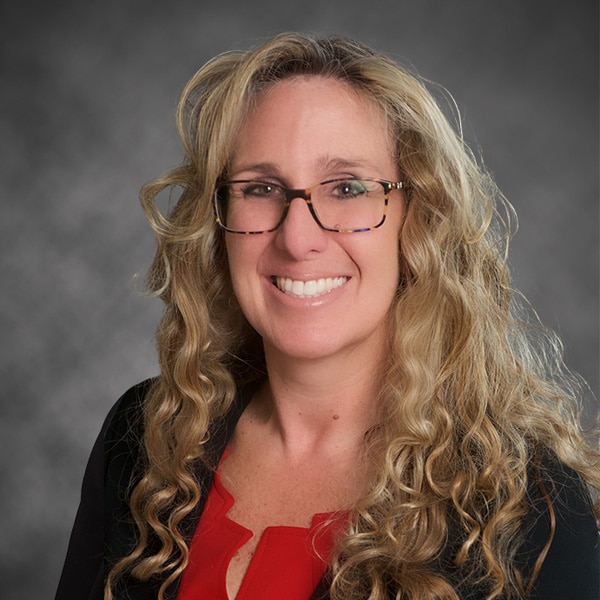
About Cynthia J. McDonald
Cindy serves as the National Director, Philanthropic Advice, where she is responsible for introducing a comprehensive suite of sophisticated planning solutions tailored for Nonprofit and Institutional clients. Her role encompasses developing and implementing growth strategies, providing strategic planning advice, conducting governance and policy reviews, offering thought leadership, and delivering education on a range of critical topics. These topics include planned giving, fund accounting, charitable trusts, donor-advised funds, and other services that support Nonprofits with a particular focus on endowments, foundations, and pooled special needs trusts.
Understanding the importance of supporting clients in the impactful work they do, Cindy obtained her Chartered Special Needs Consultant (ChSNC®) designation. This designation enables her to assist people with special needs through planning ideas. She has gained in-depth knowledge of the best strategies and a dynamic understanding of areas such as disability regulations, special needs trusts, the ABLE Act, government benefits, Medicaid complexities, special education, estate and retirement planning, and tax implications.
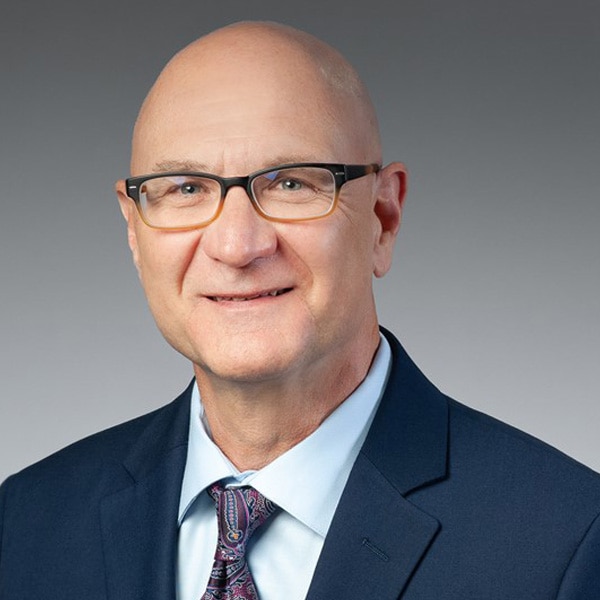
About Ken F. Senvisky
As National Director of Institutional Investments, Ken leads investment strategy and fiduciary oversight for KeyBank’s Institutional Advisors practice. He oversees a disciplined, research-driven approach to portfolio construction, manager oversight, and risk management for nonprofit, corporate, Native American, and special-needs pooled trust clients. His leadership ensures consistent application of institutional best practices across a diverse client base with complex missions and long-term objectives.
With more than three decades in investment management and consulting, Ken has gained firsthand insight into the challenges institutions face across capital-markets volatility, risk discipline, and fiduciary oversight. His background informs an approach to portfolio stewardship that prioritizes mission alignment, governance, and long-term financial sustainability.
In his role, Ken directs both the Investment Advisory and Outsourced CIO (OCIO) service models, integrating centralized investment expertise with personalized guidance for institutional clients. He works closely with boards and investment committees to translate market dynamics into clear, mission-aligned decisions that strengthen governance, enhance transparency, and support resilient long-term outcomes. Ken earned his Bachelor’s degree in Finance and Management from Kent State University, is a CFA® charterholder, and represents KeyBank as a member of the Chestnut Solutions Institute.