Strategic power: How energy sovereignty strengthens Tribal economies
As tribal nations continue their journey of economic self-determination, 2026 presents a pivotal moment. While tribal gaming revenues reached an unprecedented $43.9 billion in 2024,1 today, tribal leaders are increasingly focused on adding diversified energy strategies that will support their communities for generations. Digital transformation, energy sovereignty efforts, and evolving regulations are changing how tribes plan, manage, and fund new economic opportunities.
Economic diversification: Reinforcing strategic growth
Few trends are more pressing than the need for tribal economic diversification. The recent emergence of prediction market platforms like Kalshi, Crypto.com, and Robinhood — which collectively processed over $2.5 billion in sports event contracts in September 2025 alone — poses an existential threat to tribal gaming sovereignty. These platforms fall outside the Indian Gaming Regulatory Act, potentially eroding the market advantages that tribes have cultivated for decades.
Tribes are responding with foresight. Michigan’s 12 federally recognized tribes generated $1.2 billion2 from non-gaming businesses in 2024 — a remarkable 330% increase since 2019. This diversification spans construction, manufacturing, real estate, technology, and federal contracting.
Enterprises such as the Winnebago Tribe’s Ho-Chunk, Inc. and the Pokagon Band’s Mno-Bmadsen demonstrate that tribal enterprises can build diverse portfolios relying on sovereign authority, rather than exposing themselves to regulatory risk.

Sovereignty is not just a legal status — it’s an economic strategy.
Ben Rechkemmer
Group Head
KeyBank Native American Financial Services
This momentum is reflected nationwide. Native Business Enterprises (NBEs) are experiencing significant growth, with over 1,500 new NBEs formed in 2025 — a 30% increase from 2024 — and 40% citing government contracts as their top revenue source.3 This growth reflects tribes’ increasing sophistication in leveraging federal procurement opportunities while maintaining cultural values.
Data centers: The emerging opportunity
Amid rising national demand for AI infrastructure and cloud computing, data center development is emerging as one of the most powerful new diversification pathways for Indian Country. Tribes possess a unique combination of competitive advantages — large contiguous land bases, growing renewable energy access, water rights, transmission corridors, and streamlined development under sovereign governance — that make them ideal partners in national digital infrastructure expansion.
At the same time, many leaders in Indian Country are raising thoughtful, sovereignty-driven questions about the sustainability of this sector. Data centers can require significant water and power resources, and in some regions are viewed as similar to extractive industries due to their high resource demand. For Nations already managing water scarcity, aging infrastructure, or environmental restoration priorities, these concerns are particularly relevant.
As a result, this dynamic is driving careful, strategic, values‑aligned evaluations. Several tribes including the Moapa Band of Paiutes and Navajo Nation have already demonstrated leadership in deploying utility-scale renewable energy projects. Meanwhile, tribes near major transmission corridors, including the Gila River Indian Community and Pyramid Lake Paiute Tribe, are prime candidates for data center partnerships.
For many nations, data centers represent not only land-lease income but long-term revenue from power generation, grid interconnection, workforce training, and multi-decade operations partnerships — building a durable, sovereignty-led economic asset.
Data centers represent more than land leases — they can be a long-term, sovereignty-led infrastructure play when aligned with a Tribe’s water, power, and community priorities.
Ming Lam
Managing Director
KeyBank Native American Financial Services
Digital infrastructure: Broadband expansion
Federal investment is narrowing the digital divide across Indian Country. According to the National Telecommunications and Information Administration (NTIA), a new $500 million Tribal Broadband Connectivity funding opportunity is expected in spring 2026. This follows more than $2.2 billion in previously awarded funding across more than 400 tribes, making it the largest federal investment in tribal broadband in U.S. history. Updated program rules reduce administrative burdens and provide greater flexibility for planning, construction, and adoption.
NTIA’s recent program reforms are designed to reduce administrative burdens and increase flexibility for tribal applicants. Eligible investments include internet infrastructure, affordability programs, telehealth, and distance learning initiatives — core components of modern tribal governance and economic development.
Infrastructure investment: Water, sanitation, and safety
Water, sanitation, and safety federal infrastructure funding continues to flow to Indian Country through the Bipartisan Infrastructure Law. In 2025, the Indian Health Service directed $700 million to water and sanitation infrastructure, improving conditions for more than 14,450 American Indian and Alaska Native households and bringing access to nearly 110,000 households over four years.
Similarly, the Bureau of Indian Affairs also deployed $42 million to strengthen tribal irrigation systems, power infrastructure, and dam safety. These investments help fix long-standing infrastructure gaps while creating employment opportunities and strengthening community resilience.
Energy sovereignty: Adapting to change
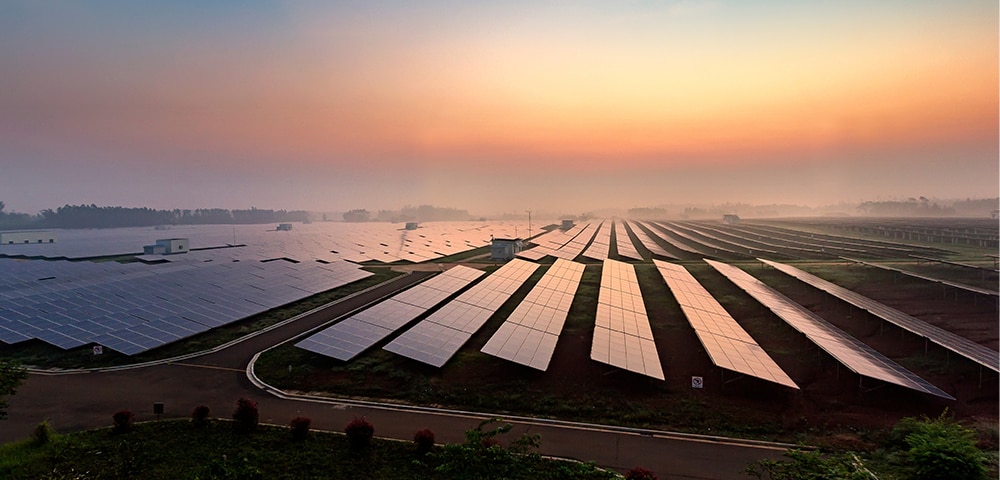
While some clean energy tax incentives have been affected by recent legislative changes, tribes continue pursuing energy sovereignty through diverse pathways. Tribal Utility Authorities remain powerful tools to capture revenue traditionally lost to external utilities while enhancing local resilience. A well-managed program can stabilize energy costs, create jobs, and generate recurring revenue, which strengthens a tribe’s financial position and credit profile over time.
Many tribes are also evaluating traditional energy sources, such as oil, gas, and forestry, to supplement renewable strategies, especially where clean energy faces obstacles. Their focus is staying flexible and building internal technical skills to evaluate and execute energy projects that align with each tribe’s unique needs and values.
Looking ahead: The financial strength behind sovereignty
The landscape for tribal economic enterprises demands strategic planning, diversified investment portfolios, and vigilant protection of sovereign rights. Despite challenges from prediction markets and changing federal policies, the tribal economic fundamentals remain strong entering 2026.
Tribal gaming enterprises showed remarkable operational discipline, improving net profit margins to 26.12% — the first increase in three years.4 This financial strength, combined with growing non-gaming enterprises and infrastructure investments, positions tribes to build sustainable economies.
Commercial banks with deep expertise in tribal lending and economic development remain committed partners, supporting investments in renewable energy, data centers, broadband, infrastructure development, and business development. Working alongside tribal governments, lenders can help transform opportunity into prosperity rooted in sovereignty that honors the Seventh Generation Principle: ensuring that decisions made today support prosperity seven generations into the future.
To learn more, contact us
Together, we can help tribal nations transform emerging opportunities into lasting prosperity for their communities. We encourage you to contact us.