Structured Cash Management for Excess Operating Cash

KeyBank Institutional Advisors collaboratively engages stakeholders to understand their organizations’ strategic mission, values, and goals. Our advisors are professionals supported by subject matter experts across client disciplines/market segments. Combining our expertise with an understanding of the client, we recommend and implement customized, coordinated financial solutions.
Many organizations hold more operating cash than they need. It sits on the balance sheet as a safety net — the financial equivalent of keeping the lights on during uncertain times. But when that cash is left unstructured, it often works below its potential. It loses purchasing power to inflation and misses opportunities to support long-term strategic goals.
Structured cash management brings order, purpose, and financial discipline to liquidity. It organizes cash based on time horizon and intent so organizations can maintain access to working capital while putting surplus cash to better use, and it is an important first step in building resilience and preparing for the future without sacrificing control.
Here is a look at how structured cash management can work for you:
Core Framework
A structured approach begins with separating cash into clear tiers by purpose. Instead of treating liquidity as one pool, each category is defined by how and when funds will be used.
Operating cash is set aside for immediate business needs — payroll, vendor payments, and working capital. The goal is stability, so this tier is typically held in secure, highly liquid accounts such as operating deposits, sweep accounts, or money market funds.
Reserve cash covers near-term obligations that are known but not yet due, such as quarterly tax payments, capital expenditures, or distributions. Because the timing of these needs is more flexible, this tier can be invested in high-quality, short-term instruments that earn a competitive yield while still maintaining liquidity. Treasury bills and certificates of deposit are common options.
Strategic cash supports long-range goals. This is capital that may be needed months or years from now — whether for growth initiatives, acquisitions, or long-term planning. Because it carries a longer time horizon, it can be invested more strategically in short-duration fixed income strategies or similarly designed vehicles that seek higher returns than operating cash while staying within defined risk parameters.
This tiered approach provides clarity. It protects working capital while giving organizations a way to put idle cash to work — thoughtfully and intentionally.
Investment Policy Design
A structured approach works best when guided by a written investment policy. Even for organizations that are not investment heavy, a policy brings discipline and consistency. It prevents reactive decisions and helps communicate financial strategy across stakeholders.
A strong policy defines these three things upfront:
- Objectives typically include preservation of principal, liquidity access, and responsible yield.
- Risk parameters or guardrails take into account acceptable credit quality, maturity targets, and allowable investment types for each liquidity tier.
- Oversight clarifies responsibility. It names who monitors allocations, who makes decisions, and how performance is evaluated.
For organizations, this level of governance creates a structured financial framework that survives leadership transitions.
Role of the OCIO
Managing cash efficiently requires ongoing attention to interest rates, reinvestment timing, credit markets, and risk exposure. That level of management takes time — often more than internal accounting or finance teams can spare while supporting daily business operations.
That is why many organizations work with an outsourced chief investment officer (OCIO). The OCIO model delivers professional investment management while keeping strategic control firmly in the hands of the organization.
A qualified OCIO provides portfolio construction, active risk management, credit research, and ongoing monitoring. Just as important, the OCIO offers guidance on market conditions and helps evaluate when to hold liquidity and when to reposition it. The result is a disciplined process that supports long-term planning without requiring an internal investment infrastructure.
An OCIO relationship does not remove decision-making authority — it enhances it with clearer information and execution support.
Deployment Strategies
Once liquidity is structured and governed by policy, decision-makers can determine how best to use excess cash. Deployment strategies typically fall into three categories, and many organizations benefit from blending them.
Some prioritize operational reinvestment — funding technology upgrades, modernization, efficiency projects, or expansion. Others focus on balance sheet strength, using surplus cash to pay down debt or improve credit readiness. And many choose capital productivity, deploying strategic cash into short-term income strategies that protect purchasing power and generate stable return potential while keeping liquidity accessible.
No single path is right for every organization. What matters is that decisions follow a framework. Structured cash management replaces guesswork with clarity, which keeps liquidity aligned with purpose.
Risk Considerations
Cash may seem risk-free, but unmanaged liquidity carries risk of its own. Concentrating too much capital in a single bank account may expose funds beyond insurance limits. Keeping all cash in low-yield accounts can reduce purchasing power over time. Investing too aggressively with strategic cash can create liquidity challenges if capital is tied up when an opportunity arises.
The goal is not to eliminate risk entirely — no financial strategy can. The goal is to understand it, monitor it, and manage it in line with operational priorities.
Conclusion
Excess operating cash should not be an afterthought. With structure, it becomes a financial tool — supporting stability today and opportunity tomorrow. A disciplined segmentation model, a thoughtful investment policy, and access to professional guidance through an OCIO can help organizations put liquidity to work without giving up flexibility.
For organizations looking to bring greater purpose to their cash strategy, KeyBank offers structured cash management and OCIO services that align liquidity with long-term goals while respecting the priorities of the organization.
For more information, please contact your advisor.
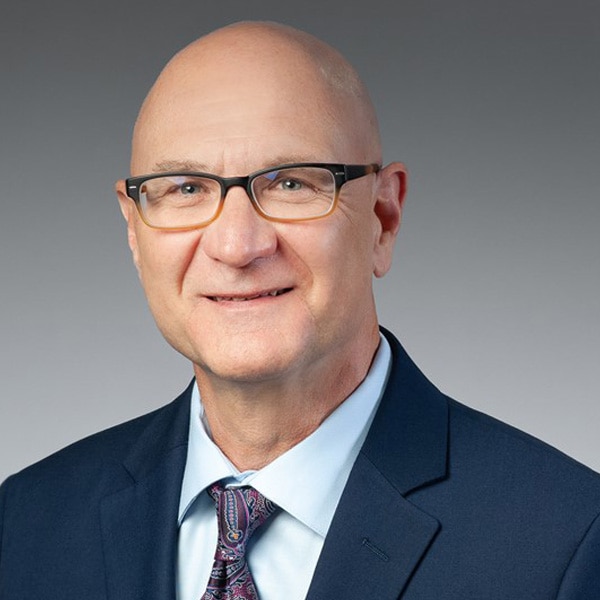
About Ken F. Senvisky
As National Director of Institutional Investments, Ken leads investment strategy and fiduciary oversight for KeyBank’s Institutional Advisors practice. He oversees a disciplined, research-driven approach to portfolio construction, manager oversight, and risk management for nonprofit, corporate, Native American, and special-needs pooled trust clients. His leadership ensures consistent application of institutional best practices across a diverse client base with complex missions and long-term objectives.
With more than three decades in investment management and consulting, Ken has gained firsthand insight into the challenges institutions face across capital-markets volatility, risk discipline, and fiduciary oversight. His background informs an approach to portfolio stewardship that prioritizes mission alignment, governance, and long-term financial sustainability.
In his role, Ken directs both the Investment Advisory and Outsourced CIO (OCIO) service models, integrating centralized investment expertise with personalized guidance for institutional clients. He works closely with boards and investment committees to translate market dynamics into clear, mission-aligned decisions that strengthen governance, enhance transparency, and support resilient long-term outcomes. Ken earned his Bachelor’s degree in Finance and Management from Kent State University, is a CFA® charterholder, and represents KeyBank as a member of the Chestnut Solutions Institute.