What Is FAFSA?
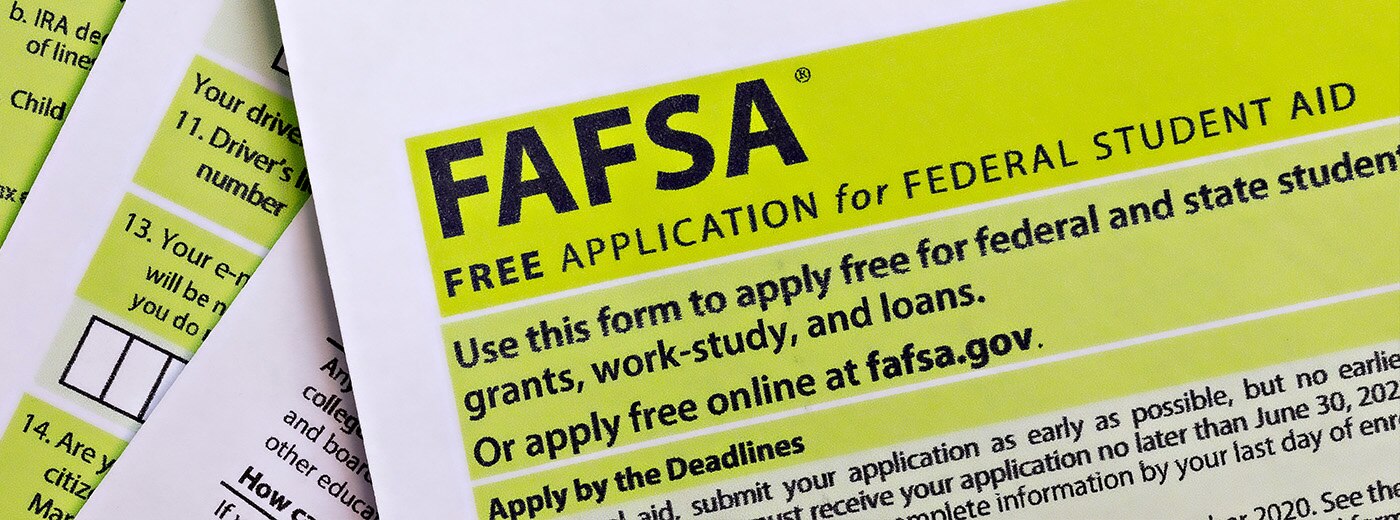
Paying for college starts with a single free form: the Free Application for Federal Student Aid (FAFSA). This application helps determine your eligibility for federal grants, loans and work-study programs, and many states and schools use it when awarding financial aid. Understanding the FAFSA process ahead of time may help you avoid surprises along the way.
What Is FAFSA?
FAFSA is a form that helps you apply for funding to pay for college, career school, or trade school. The U.S. Department of Education administers the FAFSA form, which can be completed and submitted online at the Federal Student Aid website. Be sure to submit it before any applicable FAFSA deadline.
What does FAFSA do?
The FAFSA form collects information about your financial circumstances. This information is used to calculate your Student Aid Index (SAI). Schools use your SAI, along with other information, to determine your eligibility for financial aid.
What Types of Financial Aid Can I Receive from FAFSA?
Completing the FAFSA may make you eligible for several types of financial aid, including:
- Grants: Money for school that you typically don’t need to repay
- Work-study: Part-time jobs that help students earn money for education expenses
- Federal student loans: Borrowed money you must repay after leaving school or dropping below enrollment requirements
Because some types of aid have limited funding and may not need to be repaid, it's a good idea to submit your FAFSA as early as possible, once the application is available.
When Is the FAFSA Deadline?
FAFSA typically opens in October for the upcoming school year and usually has a June deadline to determine federal aid. State and school policies and deadlines vary, depending on where you live, the schools you're considering, and where you are in your educational journey. Because some financial aid programs have limited funding, it's a good idea to submit your FAFSA as soon as it becomes available and before all applicable deadlines. Be sure to check the latest FAFSA availability and deadline information on the Federal Student Aid website.
Who Should Complete FAFSA?
Anyone who wants to be considered for federal student aid should complete the FAFSA. Even if you don't think you'll qualify for financial aid, submitting the form may still be worthwhile because many schools and states use the information to award their own grants, scholarships and other aid programs.
What Information Is Needed for FAFSA?
Before you start the FAFSA, put together the following information:
- Contributor information: You may need information for a parent, spouse or other required contributor, like their email address, if applicable.
- Child support records: If you receive any child support, provide documentation from the required reporting period.
- Asset information: Look at your bank accounts and make note of current balances for checking and savings, along with cash amounts and certain investments.
- School list: Write down all the colleges, trade schools and career schools you’d like to receive your FAFSA information. You can include schools you're interested in, even if you haven't applied or been accepted yet.
What if my family's financial situation changed since I filed taxes?
The FAFSA uses the prior year’s income tax information. This may not look like you or your family's current financial situation. If you or a contributor experienced a significant change, like job loss, income reduction or major medical expenses, you should still complete and submit the FAFSA as instructed.
After submitting the form, contact the financial aid office at the school you plan to attend. They may be able to review your situation and consider an adjustment to your financial aid based on your current circumstances. To help them evaluate your request, gather documentation that reflects the change in your financial situation.
Keep in mind that you generally can't update a processed FAFSA with new tax information on your own. Any changes related to special financial circumstances must be reviewed by your school's financial aid office.
How Do I Complete the FAFSA?
Here's a general overview of the process:
- Create a StudentAid.gov account: You'll need an account to access, complete and sign the FAFSA.
- Start a new FAFSA form: Sign on to StudentAid.gov and select the option to begin a new application.
- Review your personal information: Confirm basic details like your identity, contact information and state of residence. You'll also provide consent to transfer tax information from the IRS.
- Complete demographic information: Provide details about your background and education.
- Provide financial information: Answer questions about your income, assets and tax filing status. Some Federal tax information may transfer automatically from the IRS.
- List your schools: Add the colleges, universities, trade schools or career schools you’re considering so they can see your FAFSA information.
- Invite contributors and sign: If applicable, a parent, spouse or other contributor will need to complete their portion of the form. Once all required sections are complete, review and sign your FAFSA before submitting it.
How long does it take to fill out the FAFSA?
It usually takes less than an hour to complete the FAFSA. Having your documents and account information ready before you begin may help the process go more smoothly.
The amount of time it takes depends on your situation. For example, students who don't need a contributor to complete part of the application may finish more quickly. If you need contributors, allow time for them to provide their information and sign the form.
What Are Common FAFSA Mistakes and How Do I Avoid Them?
A few common mistakes may delay your FAFSA processing or affect the aid you receive. Here are some issues to watch for:
- Missing deadlines: Be aware of federal, state and school deadlines. Missing a school or state deadline could reduce the amount of aid available to you, or affect your eligibility for certain financial aid programs.
- Submitting incomplete information: Make sure all required sections are complete and that any required contributors submit their information and consent.
- Entering incorrect information: Review your application for typos or other errors before submitting.
- Leaving schools off your application: Include every school you're considering so each one can review your information.
Taking a few extra minutes to review the form before submitting it helps reduce errors.
What Happens After I Submit the FAFSA?
Here's what to expect after you submit your FAFSA:
- Review your confirmation page: After submitting, you'll get confirmation that your FAFSA was successfully completed. You may also see an estimate of your Student Aid Index (SAI). This is what schools use when determining financial aid eligibility.
- Check your FAFSA Submission Summary: Once your FAFSA processes, sign on to StudentAid.gov and check the FAFSA Submission Summary to make sure all information is complete and accurate. If you find missing or incorrect information, update your FAFSA as soon as possible.
- Complete any state aid requirements: Some states require additional applications or forms to be considered for state financial aid.
- Wait for school decisions: The schools you listed on your FAFSA will receive your information, even if you haven't been accepted yet. As schools make admissions decisions, they'll determine whether you're eligible for aid through their institution.
- Review your financial aid offers: If a school accepts you and determines you're eligible, its financial aid office will send an offer outlining the grants, scholarships, work-study opportunities and loans available to you.
- Compare your options: Review each school's costs and financial aid offer carefully to understand how much aid you'll receive and what you may need to pay out of pocket.
How long does FAFSA take to process?
The processing time depends on how you submit your FAFSA. Online applications typically process in one to three days. Paper forms may take seven to 10 days from the date you mail the completed form.
Do I need to complete the FAFSA every year?
Yes. You'll need to submit a FAFSA for each academic year that you want to be considered for financial aid.
Your financial situation may change from year to year, so schools use updated information from each form to determine your eligibility. Changes in income, family size or other circumstances may affect the types and amounts of aid you qualify for.
How Can KeyBank Help Me After I Complete FAFSA?
FAFSA is an important step toward getting financial aid for school, but you may still have questions about student loans and any remaining education costs after you receive your financial aid offer.
KeyBank is here to help. Schedule a free Key Student Loan Consultation1 with specialists who can walk you through your financial aid package, explore repayment options and review ways to cover any remaining education costs.